Vegetables You Can Harvest in Coastal New York Past First Frost
Coastal New York gardeners may still have useful crops to pick after the first fall frost, but the harvest depends on more than a calendar date. Choose vegetables that tolerate cold, keep them growing through changing weather, and gather them before a harder freeze or prolonged chill damages the plants.
What “past first frost” means on the coast
A first fall frost is a planning signal, not a reliable end-of-harvest date. A light frost can mark the leaves of tender plants while leaving cold-tolerant vegetables in good condition. A harder freeze, repeated cold nights, wind, saturated soil, or an exposed garden can cause more serious damage. The effect depends on both the weather and the crop.
According to NOAA National Centers for Environmental Information, at the Islip Li Macarthur Airport weather station in New York, the 1991–2020 normal first fall freeze (32°F) at 50% probability is 11/02 (November 2). That is a probability-based normal for a weather station, not a promise about what will happen in a particular backyard. Coastal conditions can differ across short distances, and the date varies from year to year.
The practical distinction is between a crop that can handle a brief touch of frost and one that can keep growing through repeated cold. Leafy greens and some root crops may remain harvestable after a light frost, especially when plants are established and the soil is not frozen. Tender crops such as beans, cucumbers, peppers, and many tomatoes are much less dependable after frost. They may have ripe fruit left to gather, but the plants themselves are not good choices for a continuing late-season harvest.
Cornell University describes its C crop category this way: C = Best in cool weather and tolerates frost. The category is a useful starting point for choosing fall vegetables, but it does not guarantee that every crop will tolerate every cold spell. Plant health, maturity, exposure, and protection all matter.
Think of post-frost harvesting as a sequence rather than a single date:
- Before frost, pick tender crops that are already ready to eat and protect plants you want to keep growing.
- After a light frost, check cold-tolerant crops for damage and harvest what is ready.
- As colder weather becomes more persistent, prioritize crops that can stay in the ground or under cover, and bring harvested produce indoors promptly.
- Before a forecast hard freeze, gather vulnerable produce rather than assuming it will remain usable on the plant.
For regional context, Maritime Garden Calendars: Taking Advantage of Long Mild Autumns explains how coastal conditions can affect seasonal planning. For a broader view of the role of probability in scheduling, see Using Freeze Probability Averages to Schedule Tender Vegetables. Neither a regional pattern nor a station normal replaces the forecast for your garden.
Vegetables most likely to keep producing
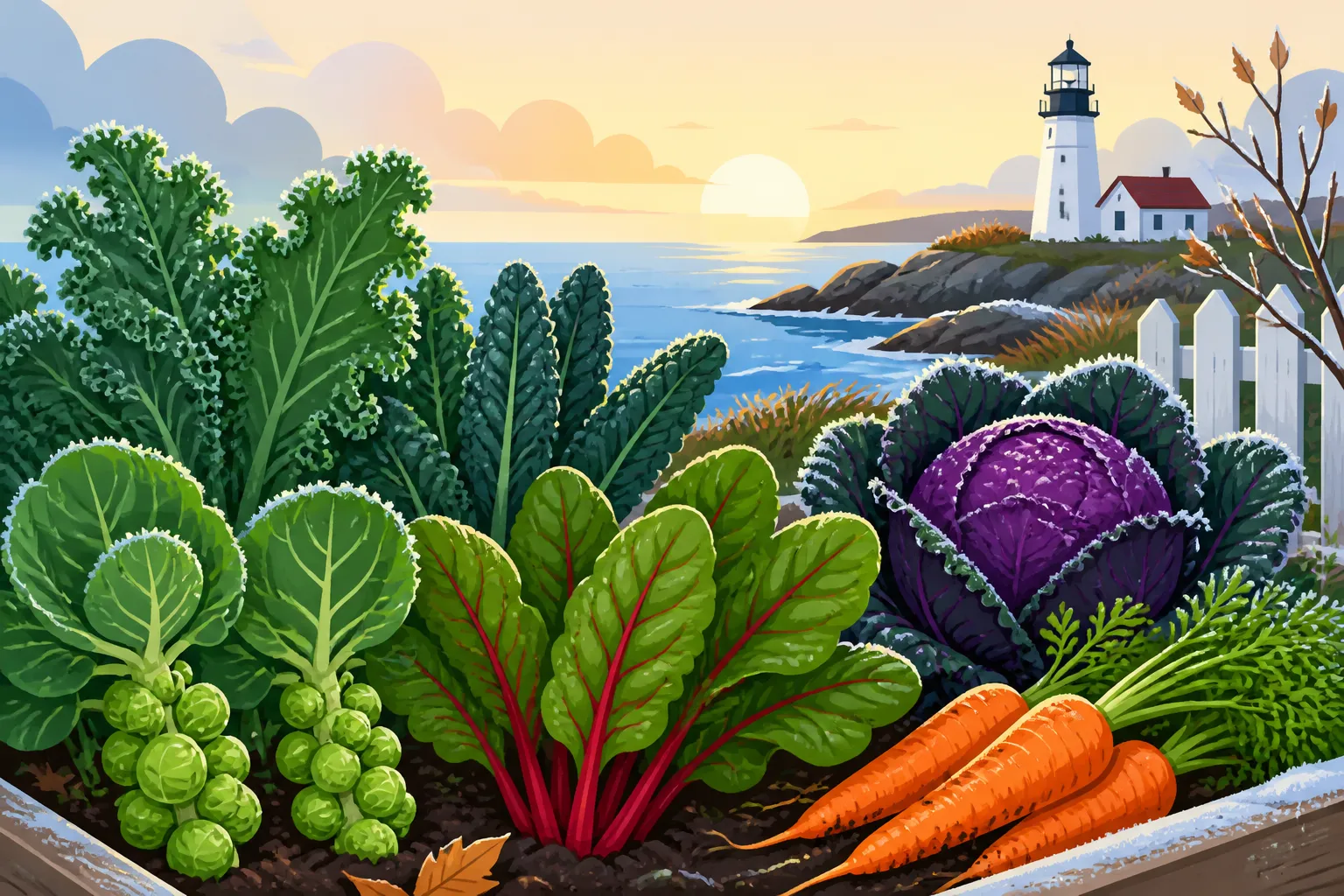
The most useful post-frost crops are those that can withstand cool weather and continue making edible growth as conditions allow. Some are best harvested for leaves, while others can stay in the soil until you need them. Even a hardy crop may stop growing during cold weather; “harvestable” does not necessarily mean it will keep producing new leaves all winter.
| Crop | What may remain harvestable | How to approach the late-season harvest |
|---|---|---|
| Kale | Leaves on established plants | Pick outer leaves as needed and leave the growing center intact. |
| Spinach | Leaves from healthy plants | Gather clean, undamaged leaves before a prolonged freeze or when the ground becomes difficult to work. |
| Collards | Mature leaves | Remove outer leaves selectively so the plant can continue growing while conditions permit. |
| Swiss chard | Leaves and tender stems | Harvest usable leaves before severe cold; protect plants if you want to extend their picking window. |
| Leaf lettuce | Leaves on some established plants | Treat it as less dependable than kale or collards and be ready to gather it ahead of colder weather. |
| Cabbage | Firm heads | Check heads regularly and harvest when ready rather than waiting for weather to force the decision. |
| Brussels sprouts | Developed sprouts along the stalk | Pick usable sprouts as they mature and keep an eye on forecasts for a hard freeze. |
| Broccoli | Main head and, in some cases, side shoots | Harvest firm heads promptly; later shoots are possible only while the plant remains healthy. |
| Carrots | Roots in workable soil | Pull as needed while the soil remains accessible and the roots are in good condition. |
| Beets | Roots and, where healthy, leaves | Harvest roots when they reach a useful size; use sound leaves promptly. |
| Turnips | Roots and greens | Check both the roots and foliage, and gather before cold or soil conditions make harvesting difficult. |
| Parsnips | Roots in the ground | Leave only sound roots in place, and plan to harvest before the soil is too hard to work. |
| Leeks | Stems | Harvest as needed while the soil remains workable and plants are not damaged by severe cold. |
| Green onions | Leaves and small bulbs | Pick what you need while plants remain healthy; use cover to reduce exposure if appropriate. |
The table describes possibilities, not guarantees. A plant that has been stressed by drought, poor drainage, pests, or disease may be less resilient than a vigorous one. Crops planted late may also be too small to yield much, even if they tolerate frost. For crop-specific fall options, Cold-Tolerant Root Crops That Hold in Chilled Maritime Autumn Soil and Harvesting Winter Brassicas Across Mild Maritime Winters offer useful related planning.
Leafy crops are often easiest to harvest in stages. With kale, collards, and Swiss chard, take the larger outer leaves and leave the central growing point undisturbed. This can extend picking while weather allows, but it cannot prevent damage from a severe cold spell. Spinach and leaf lettuce are more delicate: remove leaves that are clean and sound, and do not leave damaged foliage in the harvest basket.
Root vegetables offer a different kind of flexibility. Carrots, beets, turnips, and parsnips can often remain in the bed after leaves have been affected, but the soil must still be workable and the roots must remain healthy. Cold, wet ground can make harvesting unpleasant and can complicate storage. Inspect roots as you pull them; discard any that are soft, split, or decaying rather than storing them with sound produce.
Cabbage, broccoli, and Brussels sprouts are worth checking frequently as the season cools. A mature head or sprout is ready when it has developed normally and looks firm and healthy. Waiting for every last possible day can backfire if a hard freeze is forecast or the plant starts to deteriorate. Harvest what is ready and leave only plants that still look sound.
Leeks and green onions are practical choices for gardeners who want flexible picking rather than a single large harvest. Their usefulness still depends on the condition of the soil and plants. If the bed becomes waterlogged or frozen, harvesting may be difficult even when the crop itself has some cold tolerance.
For more detailed sowing and harvest choices, Fall Vegetable Planting Guide for New York Backyards and Planning Fall Greens and Brassicas for Late-Season Harvests can help match crop selection to the time left in your local season.
Keep the harvest going with site choice and protection
A crop’s ability to tolerate frost is only part of the equation. A sheltered bed, healthy soil, steady moisture, and a timely cover can help plants stay in better condition. Protection gives crops a buffer against exposure; it does not make a tender vegetable reliably frost-proof or guarantee a harvest through severe weather.
Start by considering the site. A bed sheltered from strong wind may be less exposed than one on an open, elevated edge. Low spots can collect cold air, while a wall or fence may create a warmer pocket. These effects are local, so observe where frost appears first in your own yard. Use that pattern to decide which beds should hold the most cold-tolerant crops and which plants need cover or an earlier harvest.
Keep plants healthy before the cold arrives. Water-stressed plants may be more vulnerable, but soggy soil is not a solution. Check the soil rather than relying on a fixed watering schedule, especially when autumn rain changes how quickly beds dry. Raised beds and containers may lose moisture differently from in-ground beds. For additional help, Managing Soil Moisture in Raised Beds During Midsummer Hot Spells discusses checking moisture in a raised bed, while Signs Your Backyard Garden Beds Need Supplemental Water covers signs that plants may need water.
A row cover can reduce exposure and help keep some crops in usable condition through chilly nights. Secure it so wind cannot pull it loose, and make sure it does not crush the plants. Covers need attention when the weather changes: a sunny day can warm a covered space, so check for excess heat and allow airflow when needed. For practical selection and use, see What Crops to Cover Before First Fall Frost in New York and Timing Fall Row Cover Placement Over Maturing Late Crops.
Cold frames and low tunnels can also extend the useful picking period, particularly for leafy greens. They need to be managed, not simply installed and forgotten. Open or vent them when conditions inside become too warm, and close them when protection is needed. A cover that is left closed in bright weather can create a different problem from the cold it was meant to prevent. Extending the Fall Garden With Unheated Low Tunnels and Hoops and Extending Autumn Harvest Windows With Garden Cold Frames explain these options in more detail.
Mulch can help moderate soil conditions around roots, but avoid piling it against plant crowns or assuming that it will protect leaves from a hard freeze. The goal is to support the crop and keep the bed manageable, not to seal the garden off from weather. If a crop is valuable and close to harvest, a well-secured cover may be more useful than relying on mulch alone.
The choice of what to protect should reflect your priorities. Cover the plants that are healthy, productive, and likely to give you a worthwhile harvest. If a plant is already diseased, damaged, or far behind, gathering what is usable may be more sensible than investing effort in extending its season. Protection takes time and requires monitoring, so it is often better to cover a smaller number of promising plants well than to cover every bed casually.
Harvest well as temperatures fall
A simple harvest routine makes it easier to use vegetables while they are at their best and to avoid losing produce to a sudden cold spell. Walk through the garden regularly, inspect plants rather than relying only on the calendar, and keep a clean container nearby. Pick sound produce before a forecast hard freeze, and avoid harvesting leaves that are frozen or badly damaged.
For leafy greens, take clean outer leaves and leave healthy new growth in place when you want the plant to continue producing. Avoid stripping a plant bare if you hope to keep harvesting from it. If frost has marked leaves, check them carefully. Minor cosmetic damage does not automatically make a leaf unusable, but slimy, discolored, or decaying tissue should not go into storage with healthy greens. Rinse produce as needed and dry it well before storing, since wet leaves deteriorate quickly.
For cabbage and Brussels sprouts, harvest when the edible parts are firm and sound. Check for insect damage or decay before bringing them inside. Broccoli heads should be cut while they still look healthy and are not opening or deteriorating. If a plant has side shoots, they may be usable, but their development depends on the plant’s condition and the remaining weather.
For root crops, loosen the soil carefully and handle roots gently. Damaged roots are less suitable for storage, so use them first or set them aside rather than mixing them with intact produce. If soil is too wet to work without smearing or compacting it, wait for a more workable stretch if the forecast allows. If severe cold is approaching, balance that preference against the risk of leaving ready crops exposed.
Harvest leeks and green onions as needed, selecting plants that are large enough for the kitchen. Brush soil off before bringing them indoors, and inspect between leaves for grit or insects. Crops taken from cold, wet beds should be sorted promptly; do not leave them in a heap where moisture and damaged leaves can encourage decay.
A late-season harvest is not necessarily a single large basket. Picking modest amounts regularly can be more useful than waiting for a perfect, all-at-once harvest. This is especially true for greens, where usable leaves can vary from plant to plant and weather may change quickly. If a forecast turns colder, shift from selective picking to gathering more of what is ready.
Keep a record of what remains productive and where it grew. Note which beds stayed sheltered, which crops were damaged first, and whether a cover helped. That information can make next season’s layout more practical. If you want to plan for cold-weather greens beyond the immediate fall window, Overwintering Cold-Hardy Spinach Under Floating Row Covers offers a focused next step. For harvest planning across the coast, Extending Fall Vegetable Harvests in Coastal Maritime Soils is another useful companion.
Frequently Asked Questions
Can vegetables still be harvested after the first frost?
Yes. Cold-tolerant crops such as kale, spinach, collards, some root vegetables, leeks, and brassicas may remain usable after a light frost. Their condition depends on the crop, its health, and what the weather does next. Check plants and local forecasts rather than assuming the first frost ends every harvest.
Does a frost-tolerant crop keep growing through winter?
Not necessarily. Frost tolerance means a plant can withstand some cold exposure; it does not mean it will keep making new growth through prolonged cold or frozen soil. A crop may remain harvestable for a time while growth slows or stops.
Should greens be harvested before or after a frost?
Either can work for cold-tolerant greens. Pick mature leaves before a forecast hard freeze, and check plants after a light frost to see whether foliage remains sound. Avoid harvesting leaves while they are frozen, and remove damaged or decaying tissue.
How can I tell whether a root crop is still worth harvesting?
Check the root for firmness, sound skin, and signs of decay or damage. Harvest while the soil remains workable, and sort out any damaged roots for prompt use rather than storing them with healthy ones.
Sources
- NOAA National Centers for Environmental Information — NOAA NCEI 1991–2020 Climate Normals — Islip Li Macarthur Airport, New York (checked November 14, 2026)
- Cornell University — Vegetable planting dates for Upstate New York | Cornell Vegetables (checked November 14, 2026)
Disclaimer
This article is for general informational purposes only and does not constitute professional advice. Laws, prices and regulations vary by location and change over time. Consult a qualified professional for guidance on your specific situation. New York Gardening Guide is not a government agency and is not affiliated with any university extension, state department of agriculture or other government agency.