Month-by-Month New York Home Garden Calendar and Checklist
New York gardeners face a calendar that changes with the weather, elevation, and distance from the coast. A schedule that works in a sheltered urban yard may be too early for a cold upland bed. This month-by-month calendar organizes the year’s main tasks and shows how to adjust sowing, transplanting, watering, and cleanup to local conditions.
How to use a New York garden calendar
Treat a month-by-month calendar as a planning framework, not a set of guaranteed planting dates. New York includes mild coastal areas, urban heat pockets, inland valleys, and colder high-elevation locations. Spring warmth and fall frost can arrive at noticeably different times from one garden to another, and even the same spot can vary from year to year.
Before deciding what to plant, consider four things:
- Local frost risk: Average frost dates describe probabilities, not fixed appointments. A forecast, a cold-air pocket, or an unusually warm spell can all change the risk for a particular week. See Using Freeze Probability Averages to Schedule Tender Vegetables and Why Frost Dates Matter More Than Hardiness Zones for Sowing Crops.
- Soil condition: Cold, waterlogged soil is a poor place to work or sow, even if the air feels mild. Wait until the bed is workable and appropriate for the crop. How to Tell if Spring Garden Dirt Has Dried Enough for Tillage explains how to avoid compacting wet ground.
- Crop needs: Peas, leafy greens, and other cool-season crops can handle conditions that would stress tomatoes, beans, or cucumbers. Match the crop to the soil and forecast rather than assuming every vegetable follows the same schedule.
- Your garden’s microclimate: A south-facing wall, sheltered courtyard, exposed slope, or low spot can shift warmth and frost exposure. Use your own observations to fine-tune dates.
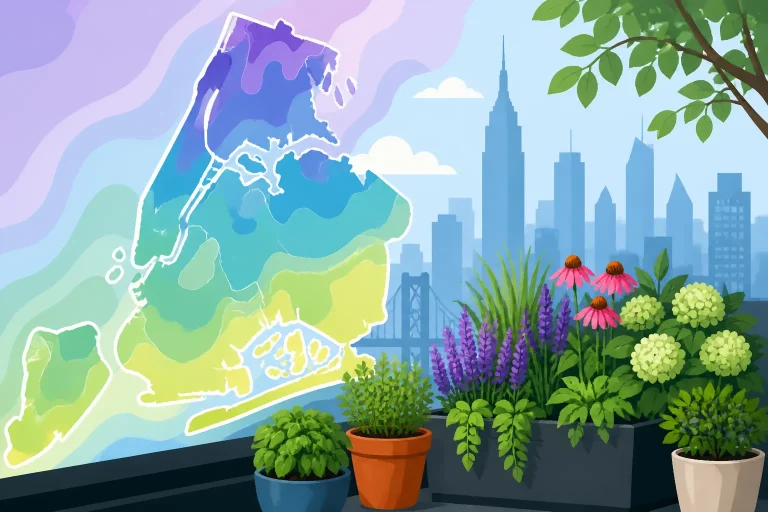
Hardiness zones can help you understand whether a perennial is likely to survive winter, but they do not tell you when to sow a vegetable. ZIP codes and areas fall in a zone on the USDA Plant Hardiness Zone Map; the map does not describe the temperature of a particular garden bed or its spring frost risk. For help using both kinds of information, see Finding Your USDA Hardiness Zone Across New York State.
The table below is a seasonal overview. It assumes an outdoor home garden and should be adjusted for local conditions, crop variety, and whether you start plants indoors.
| Month | Main focus | Typical garden actions |
|---|---|---|
| January | Plan and maintain | Review notes, order seeds, check stored crops and tools |
| February | Prepare for seed starting | Organize supplies, check seed packets, start only crops that need a long indoor lead |
| March | Watch soil and start selected seedlings | Check beds for drainage, begin suitable indoor starts, avoid rushing outdoor work |
| April | Begin cool-season sowing where soil allows | Sow hardy crops as conditions permit, prepare beds gently, protect vulnerable seedlings |
| May | Transition toward warm-season crops | Set out tender plants only when frost risk and soil conditions are appropriate |
| June | Establish and maintain | Fill gaps, water consistently, mulch suitable beds, monitor pests and weeds |
| July | Harvest and plan for fall | Pick regularly, sow fall crops in time, manage heat and dry soil |
| August | Make room for autumn crops | Sow selected greens and roots, protect young seedlings from heat and drying |
| September | Harvest and extend the season | Gather mature crops, use covers as appropriate, keep fall plantings growing |
| October | Finish harvest and tidy thoughtfully | Bring in frost-sensitive produce, remove diseased debris, prepare beds |
| November | Protect soil and store equipment | Mulch appropriate beds, clean tools, review what worked |
| December | Rest and plan | Check stored produce, organize records, refine next year’s planting plan |
For vegetable-specific timing, Month-by-Month Sowing Schedule for New York Vegetables and New York Vegetable Planting Calendar by Freeze Dates can help narrow the broader seasonal picture.
January and February: Plan, sort, and prepare
January
January is usually a planning month rather than an outdoor planting month for home vegetable beds. Review last season’s notes while details are still useful: which crops performed well, where the soil dried quickly, which varieties matured before cold weather, and which plantings were repeatedly damaged by pests or disease.
Make a simple garden map. Mark beds, containers, paths, trellises, and perennial crops. Note where you grew plant families such as tomatoes, peppers, brassicas, beans, and squash. Rotating crop families can help reduce the buildup of some pests and diseases, though it cannot solve every soil problem. Rotating Vegetable Families to Protect New York Garden Beds offers more on planning rotation.
Use the map to estimate how much space each crop actually needs. It is easy to buy more seed than a small garden can accommodate, especially when a packet contains enough for multiple sowings. Plan for the mature size of each plant, not just the size of a seedling. If space is limited, prioritize crops you enjoy, crops that are expensive or less fresh to buy, and varieties suited to your available growing time.
January is also a good time to check stored vegetables. Remove produce that is rotting or softening before it affects nearby pieces. Keep storage conditions appropriate for each crop, and check periodically for shriveling, mold, or sprouting. Clean and organize seed-starting trays, labels, lights, and hand tools. Replace damaged equipment and make sure containers drain freely.
February
In February, refine your planting plan and check seed packets for crop type, germination needs, and expected time to maturity. The days are getting longer, but that does not mean every crop should be started indoors immediately. Starting seedlings too early can leave them tall, crowded, and difficult to maintain before outdoor conditions are suitable.
Use the seed packet and a local calendar to work backward from a realistic transplanting period. Some crops benefit from an indoor start; others are better sown directly into garden soil. Starting the right crops at the right time helps avoid root-bound seedlings and unnecessary indoor care. See Indoor Seed Starting Timeline for New York Warm-Season Transplants and Starting Vegetable Transplants Indoors Ahead of New York Springs for more detail.
Set up a seed-starting area that provides adequate light, clean containers, and a way to keep the growing medium evenly moist without leaving it soggy. Label each tray with the crop and sowing date. If you are reusing containers, clean them before use, especially if a previous crop had a disease problem.
February may also be a useful time to assess garden structures. Check stakes, trellises, row-cover supports, cold frames, and irrigation supplies. Fixing a loose support now is easier than doing it while a crop is growing through it. If you are considering season extension, High Tunnels and Cold Frames for Season Extension in New York compares common approaches.
Do not treat a sunny afternoon as proof that the garden is ready for outdoor work. Frozen ground, wet soil, and cold nights can persist after a brief warm spell. In a mild, protected location, some gardeners may begin preparing for early sowings sooner than others, but the bed still needs to be workable and the crop must tolerate the conditions.
March and April: Start selectively and watch the soil
March
March is a month for checking conditions, not assuming spring has arrived. Inspect beds on a dry day. If the soil is still saturated, stay off it; walking or digging in wet soil can compact it and damage its structure. If you use raised beds or containers, check that drainage is not blocked and that growing media have not settled excessively.
Indoors, continue seed starting according to the crop’s needs and your likely outdoor planting window. Keep seedlings close enough to a strong light source to avoid weak, stretched growth. Water when the growing medium needs it rather than following a rigid schedule. Small seedlings are vulnerable to both drying out and staying too wet.
Outdoors, hardy crops can sometimes be sown earlier than tender ones, but local soil conditions matter. A protected bed near a building may become workable sooner than an exposed plot, while a low spot may remain cold and wet. For a regional overview of cool-season timing, consult Spring and Fall Planting Windows for Cool-Season New York Crops.
If you use a cold frame or low tunnel, ventilate it when sunlight warms the interior. Covered spaces can heat up quickly, even during a cool season. Remove or open covers as needed to avoid overheating, and secure them against wind. A cover can reduce exposure, but it is not a guarantee against freezing temperatures.
April
April often brings the first real outdoor sowing opportunities for cool-season crops, but the timing varies widely across New York. Check soil condition before sowing: the bed should be workable, not sticky or waterlogged. If you squeeze a handful of soil and it remains a dense, wet lump, waiting is usually better than digging.
When conditions suit the crop, direct-sow hardy vegetables such as peas, radishes, and some leafy greens. Use the seed packet for depth and spacing, and keep the seedbed consistently moist while seeds germinate. Some seeds need more warmth than others, so avoid sowing warm-season crops simply because the air feels pleasant.
Prepare beds with as little disturbance as practical. Clear persistent weeds and large debris, add soil amendments only when there is a clear reason to do so, and avoid burying fresh plant material in a way that interferes with seed germination. If the soil has not been tested and you are unsure what it needs, Improving Garden and Lawn Soil in New York can help you think through soil care without assuming that every bed needs the same amendment.
Harden off indoor seedlings gradually before transplanting. Move them into outdoor conditions for increasing periods, protecting them from harsh sun, cold wind, and sudden temperature changes. A plant that has spent its life indoors can be scorched or stressed by an abrupt move outside. Use Hardening Off Seedlings Before Transplanting into Chilled Spring Soil for a more detailed process.
Keep tender transplants indoors until conditions are suitable. Tomatoes, peppers, eggplant, cucumbers, and other warm-season crops are sensitive to cold. A mild afternoon does not remove the risk of a chilly night. For a broader overview of warm-season timing, see When to Plant Warm-Season Crops in New York Gardens.
May and June: Plant in stages and establish crops well
May
May is a transition month. In many gardens, cool-season crops are already growing while warm-season crops are still waiting for suitable conditions. That overlap is useful: it lets you harvest early greens and peas while preparing space for crops that need warmer soil and nights.
Use local frost probabilities and the forecast to decide when to set out frost-sensitive transplants. A date on a calendar is not a guarantee that the risk has passed. Cold pockets, exposed sites, and higher elevations may remain vulnerable after sheltered areas have warmed. Safe Dates for Setting Out Peppers and Eggplant Across New York discusses why tender crops need extra caution.
Before transplanting, water seedlings so the root ball is evenly moist, handle them gently, and avoid leaving roots exposed to drying air. Set plants at the depth appropriate for the crop, firm the soil around them, and water them in. Keep an eye on newly transplanted plants for signs of wilting, sunscald, or wind damage. If a cold night is forecast, temporary protection may help, but remove or ventilate covers when conditions become warm to prevent overheating.
Direct-sow warm-season crops only when both the soil and forecast are appropriate. Beans, corn, cucumbers, and squash generally need warmer conditions than peas and leafy greens. Cold soil can slow germination, leaving seeds vulnerable to rot or uneven emergence. Testing Soil Warmth in Early Spring: When Is Dirt Ready to Sow? and How to Tell if Garden Soils Are Warm Enough for Corn Germination explain how to judge readiness.
Plant in manageable batches rather than trying to complete the whole garden in one weekend. A staged approach makes it easier to protect seedlings, correct spacing, and respond if weather turns cold or wet. For more detailed crop guidance, see Setting Out Warm-Season Vegetables After Spring Frosts.
June
By June, many gardens are filling out, and attention shifts from establishing plants to keeping them growing steadily. Check young plants often. Early signs of trouble are easier to address than widespread damage: seedlings may be cut at soil level, leaves may show chewing, and transplants may wilt if roots have not established.
Water new plantings as needed to keep the root zone from drying out. The soil surface can look dry while deeper soil remains moist, or it can appear dark after a light shower while roots below are still thirsty. Check moisture near the roots rather than relying only on surface appearance. For guidance on assessing beds, see Signs Your Backyard Garden Beds Need Supplemental Water.
Apply mulch when the soil has warmed and the plants are established enough for the material not to smother them. Mulch can slow moisture loss and reduce weed pressure, but a heavy layer on cold soil can delay warming. Keep mulch from touching plant stems where excess moisture may cause problems. Spring Bed Mulching in New York: Wait for Soil Warmth or Mulch Early? covers the timing trade-off.
Weed while weeds are small, and avoid letting them set seed. If the ground is dry, shallow cultivation is often more practical than deep digging around crop roots. Tie climbing or sprawling plants to supports as they grow, and check that trellises and cages remain stable.
June is also a good time to record what has emerged and what has not. Poor germination may point to cold soil, dry seedbeds, excessive depth, seed loss, or pests. Re-sowing can be worthwhile, but consider whether the replacement crop will have time to mature before autumn conditions limit growth. How Local Weather and Variety Days to Maturity Affect Harvests explains why variety and weather both affect harvest expectations.
July and August: Harvest, manage heat, and sow for fall
July
July can bring heat, dry spells, heavy rain, or quick changes between them. Keep a regular eye on soil moisture, especially in raised beds, containers, and sandy soil that can dry quickly. Water deeply enough to reach the active root area when the bed needs it, and avoid treating every wilted plant the same way. Some leaves droop temporarily in intense afternoon heat even when the soil is moist, while persistent wilting can signal a real water problem.
Harvest vegetables as they become ready. Regular picking encourages many crops to keep producing and prevents ripe produce from becoming overgrown, tough, or damaged. Check plants carefully: beans and cucumbers can hide beneath leaves, and tomatoes may ripen unevenly. Handle produce gently and move it out of direct sun after harvest.
Keep harvest records. Note when a crop first produced, how much you picked, and whether it was affected by heat, insects, or disease. These observations can help you choose varieties and planting dates next season. If a crop is struggling, identify the cause before applying a treatment or fertilizer. Nutrient problems, drought, excess water, pests, and disease can produce similar symptoms.
Start planning the fall garden now rather than waiting until the summer garden is finished. Many fall crops need time to grow before days shorten and temperatures drop. Work backward from your likely local fall conditions, the crop’s days to maturity, and whether you will use protection. How Late Can You Sow Vegetables in New York for an Autumn Harvest? and Planning a Fall Vegetable Garden in New York Backyards provide more detail.
Where a bed opens after harvesting early crops, remove crop debris and weeds, then prepare it for the next planting. Avoid leaving a patch of bare soil to erode or crust over if you can sow another crop or use a suitable cover.
August
August is often the key month for establishing fall greens and root crops, though the best window depends on location and crop. Heat can make germination difficult, and newly sown beds may dry out quickly. Prepare the seedbed carefully, sow at the recommended depth, and keep the surface evenly moist until seedlings are established.
A light shade cover can help protect new seedlings from intense sun, but it should not block needed airflow or trap excessive heat. Remove or adjust it as conditions change. Keep an eye out for weeds: seedlings and weeds compete for water and light, and young fall crops can be overwhelmed if weeds are left to grow.
Some vegetables are better started indoors or in a sheltered spot during the hottest part of summer and transplanted when they are sturdy. Others are usually sown directly. Follow crop-specific guidance rather than applying one approach to every vegetable. For additional timing help, see Fall Vegetable Planting Guide for New York Backyards and Planning Fall Greens and Brassicas for Late-Season Harvests.
Continue harvesting summer crops and remove plants that are no longer productive or are badly diseased. Do not clear healthy plants simply because the calendar says summer is ending; a vigorous crop may keep producing. But do make room for fall sowings where needed, and avoid placing new seedlings in the shade of a large, unproductive plant.
Water consistently as the season changes. A heavy rain may wet the soil surface without reaching roots, especially under dense foliage, while a raised bed can dry again quickly. Check the root zone and adjust rather than watering by habit. Managing Soil Moisture in Raised Beds During Midsummer Hot Spells offers practical ways to assess raised beds.
September and October: Harvest, protect, and close beds thoughtfully
September
September often brings a mix of summer harvests and cool-season growth. Continue picking warm-season produce while it is sound, but watch forecasts closely for crops that may be damaged by cold. Gardeners in colder inland or elevated places may need to prepare earlier than those in milder coastal or urban microclimates.
Use row covers, low tunnels, or cold frames when they are appropriate for the crop and weather. Covers can help extend harvests, but they require monitoring. On sunny days, temperatures beneath a cover can climb enough to stress plants, so venting may be needed. Secure covers against wind and check that the material is not pressing heavily on foliage. See Extending the Fall Garden With Unheated Low Tunnels and Hoops for setup considerations.
Harvest mature vegetables before they deteriorate. Green tomatoes may ripen indoors if picked at a suitable stage, but the results depend on maturity and storage conditions. For more on that choice, see Will Green Tomatoes Ripen Before Fall Frost Arrives in New York?. Root crops and greens may continue growing as nights cool, but their growth rate changes as daylight and warmth decline.
Keep beds free of diseased plant material. Remove plants that are clearly infected and do not leave affected foliage where it can continue to cause problems. Healthy debris can be handled differently depending on the material and your composting setup. If you are unsure whether a symptom is disease, pest damage, or weather injury, seek an identification resource before deciding how to manage it.
October
October is a month for matching harvest decisions to local forecasts. A light frost may damage tender leaves while leaving some other crops usable; a hard freeze can cause more extensive injury. Do not assume that every vegetable needs to be picked at the same time. Check the crop and the forecast, then harvest or protect according to the risk. What Crops to Cover Before First Fall Frost in New York and Which Vegetables Need Protection Before Freezing New York Nights? can help sort priorities.
Bring in tender produce before damaging cold, especially fruits that are close to ripe. Handle harvested vegetables carefully and remove damaged or diseased pieces before storage. Clean storage containers and check produce regularly rather than putting it away and forgetting it.
As beds empty, remove spent plants, stakes, and strings. Clean tools and supports that were in contact with diseased crops. If a plant was healthy, its residue may be suitable for composting depending on the compost system; diseased material may need different handling. Follow local guidance for waste disposal rather than assuming every kind of garden debris belongs in the same place.
October can also be a good time to improve soil protection. Consider a suitable cover crop or organic mulch where it fits your garden plan. Do not cover wet soil in a way that traps problems, and avoid heavy layers that could interfere with later planting. For bare beds, When to Sow Cover Crops in Late Summer to Protect Bare Beds offers timing and purpose to consider.
If you plan to grow garlic, fall planting is common, but the appropriate window varies with local conditions and the crop’s need to establish roots before winter dormancy. Consult When to Plant Garlic Cloves for Winter Dormancy in New York for crop-specific guidance rather than using a statewide date as a rule.
November and December: Protect the soil and review the season
November
By November, many vegetable beds are finished for the year, but the garden still benefits from a careful closeout. Remove old stakes and cages, clean them, and store equipment where it will stay in good condition. Empty and drain hoses or other equipment as appropriate for your setup before freezing weather can damage them.
Leave soil protected where possible. A suitable mulch, plant residue, or cover crop can reduce exposure to winter weather, but the choice depends on the bed and next season’s plan. Do not pile material against the stems of perennial plants or trees. Keep paths clear and avoid walking over wet or frozen beds unnecessarily.
If you grew crops with recurring disease or pest issues, record where they were located. That information can inform next year’s crop rotation and variety selection. Rotation is easier to plan when the map and notes are accurate; simply moving a crop a few inches may not be enough to change the conditions that contributed to a problem.
Some perennial herbs and vegetables remain in the garden through winter. Check that they are suited to the site and have appropriate drainage. Avoid disturbing their roots late in the season unless there is a clear reason to do so. If you grew herbs in pots, remember that exposed containers may experience colder root conditions than plants in the ground. Overwintering Cold-Hardy Herbs Outdoors in New York Gardens can help with decisions about outdoor protection.
December
December is a good time to review the season without making next year’s plan overly complicated. Look at your records and ask practical questions: Did you sow too much at once? Were warm-season plants set out before conditions were dependable? Did you have enough space for fall crops? Which harvests were worth the effort?
Make a short list of changes rather than trying to redesign everything. You might choose one new crop, adjust a bed layout, improve a trellis, or change how you protect seedlings. A few specific changes are easier to carry out than a long list of ambitious projects.
Check stored produce and seed. Discard produce that is rotting, and store seeds in conditions appropriate to the packet and your storage space. Keep seed labels and planting notes together so they are easy to find when the next season begins.
If you plan to test soil, check the testing provider’s current instructions for sampling and submission. A soil test can answer questions that visual inspection cannot, but samples need to represent the area you want to understand. Do not assume that a fertilizer or amendment is needed simply because a plant grew poorly; the cause may have been water, temperature, pests, disease, or competition.
Frequently Asked Questions
Can I use the same planting dates everywhere in New York?
No. Coastal, urban, valley, and higher-elevation gardens can have different spring and fall conditions. Use local frost probabilities, soil readiness, crop requirements, and your own observations to adjust the calendar.
Does a hardiness zone tell me when to plant vegetables?
Not reliably. A hardiness zone describes average winter conditions relevant to perennial survival. Vegetable sowing depends more on frost risk, soil temperature, crop tolerance, and the time available before autumn cold.
Should I start every vegetable indoors?
No. Some crops are commonly started indoors, while others are usually direct-sown. Starting a crop too early can create crowded or stressed seedlings, so follow crop-specific guidance and count backward from a realistic outdoor planting period.
What should I do if a warm spell arrives early?
Use it to observe and prepare, but do not assume it marks a lasting change in the season. Check the soil, the forecast, and the crop’s tolerance. Brief warmth can be followed by cold conditions.
How can I keep the calendar useful next year?
Record sowing and transplanting dates, weather problems, harvests, and the varieties you grew. Note what worked in your specific garden, then adjust the broad month-by-month schedule rather than relying on a fixed statewide timetable.
Disclaimer
This article is for general informational purposes only and does not constitute professional advice. Laws, prices and regulations vary by location and change over time. Consult a qualified professional for guidance on your specific situation. New York Gardening Guide is not a government agency and is not affiliated with any university extension, state department of agriculture or other government agency.